
For the 2025-26 financial year, a sole trader lodging independently must lodge their tax return by 31 October 2026. Eligible sole traders using a registered tax agent generally have until 5 June 2027, provided they registered with the agent before 31 October. A sole trader tax return in Cairns follows the same Australian rules: business income is included in the owner’s individual tax return, and tax may also be paid during the year through PAYG instalments.
It’s understandable to want clear dates and a practical way to plan for tax, especially when business cash flow changes from month to month. This guide explains when tax is due, how individual income tax rates apply to sole trader profits, and what to include in a sole trader tax return in Cairns.
We’ll also cover contractor income, common deductions and record-keeping, so you can approach lodgment with a clearer picture of your obligations. The guidance reflects a CPA perspective. Stacey Jeanes is a Fellow Certified Practising Accountant (FCPA), the highest membership designation awarded by CPA. The focus is on helping small business owners make informed decisions and enjoy the rewards of running a business.
Key Takeaways
- See how sole trader tax obligations can affect cash flow throughout the year, not just at lodgment time.
- Learn how personal income tax rates apply to business profits and what may influence your overall tax position.
- Understand what contractors need to report, including income from services reported through the taxable payments system.
- Find out what records to keep and how to assess whether common business expenses may be deductible.
- Explore practical steps for preparing a return and keeping business finances organised.
When does a sole trader pay tax?
For the 2025-26 financial year, a sole trader lodging independently must lodge by 31 October 2026. Eligible sole traders using a registered tax agent generally have until 5 June 2027, provided they registered with the agent before 31 October. A sole trader tax return in Cairns follows the same Australian deadlines. Business income is reported through the owner’s individual tax return, alongside other personal income and deductions.
Australia has three lodgment pathways: lodge online through myTax, use a registered tax agent, or submit a paper return. First gather business income records, expense evidence and details of other personal income. Then complete the individual return and the business and professional items schedule. For example, reconcile invoices against bank deposits before entering sales income. A refund may result if tax paid or withheld exceeds the final amount payable.
Tax obligations can arise before annual lodgment. The ATO may enter a sole trader into PAYG instalments when their latest return shows instalment income of A$4,000 or more and tax payable of A$1,000 or more. PAYG instalments are generally due quarterly, 28 days after each quarter ends. Preparing a sole trader tax return in Cairns with current income records can help you plan for these payments as well as annual lodgment.
How do PAYG instalments work for sole traders? PAYG instalments are advance payments towards expected income tax, not a separate tax on business sales. The ATO generally calculates them using information from the latest return. Payments are reconciled when the next return is lodged, matching instalments against the final tax position.
If the 31 October 2026 deadline applies, organise records early and lodge once they’re ready. For the general 5 June 2027 agent deadline, registration with the agent must occur before 31 October. Missing a lodgment date can leave the return and any resulting tax position unresolved, so keep correspondence and lodgment records together. Clear records also make it easier to track business capital, income and deductions when preparing the next return.
Can a sole trader claim home office, vehicle and equipment expenses? Eligible sole traders working from home can use the 2025-26 fixed-rate deduction of 70 cents per hour. Business vehicle travel may use 88 cents per kilometre, up to 5,000 business kilometres. Eligible assets costing less than A$20,000 may qualify for an immediate write-off under small business rules.
What tax concessions or small business write-offs are available to Cairns sole traders? Eligible small businesses with turnover under A$10 million may immediately write off eligible assets costing less than A$20,000. Eligible businesses with aggregated annual turnover under A$5 million may also receive a small business income tax offset of up to A$1,000 per year. Eligibility depends on the business and the relevant asset or income rules.
For Cairns sole traders, GST registration is another cash-flow checkpoint. According to the Australian Taxation Office, businesses generally need to register when GST turnover reaches A$75,000 or more. A sole trader reaching that threshold must register within 21 days. Tracking turnover as it accumulates helps you prepare for registration and keep GST records distinct from income tax figures.
Australian sole trader income tax rates
A sole trader’s business income is taxed as part of the owner’s personal income, rather than under a separate business tax rate. The amount of tax depends on taxable income, which brings business results together with relevant personal income and deductions. A rental income stream, for example, can affect the overall taxable income reported in an individual return.
The rates below are specifically for the 2021-22 financial year, so treat them as a historical reference rather than a current-year rate table:
- Taxable income from A$0 to A$18,200: nil.
- From A$18,201 to A$45,000: 19 cents for every A$1 over A$18,200.
- From A$45,001 to A$120,000: A$5,092 plus 32.5 cents for every A$1 over A$45,000.
- From A$120,001 to A$180,000: A$29,467 plus 37 cents for every A$1 over A$120,000.
- Above A$180,000: A$51,667 plus 45 cents for every A$1 over A$180,000.
These are progressive rates: each rate applies to the relevant slice of taxable income, not every dollar earned. Moving into a higher bracket does not mean all your income is taxed at that bracket’s marginal rate. Separating business income, claimable expenses and other income helps establish the taxable amount before applying the relevant rates.
The individual tax-free threshold was A$18,200 for the 2023-24 financial year. That figure belongs to that specific year, and shouldn’t be mistaken for a rate table covering another year. Australian sole traders are also subject to a 2% Medicare levy on taxable income. Include this when planning cash flow, rather than budgeting only for income tax.
Eligible small businesses may receive a small business income tax offset of up to A$1,000 per year when aggregated annual turnover is under A$5 million. This offset can reduce the tax payable, but it doesn’t change the taxable income figure itself. Aggregated turnover and eligibility are therefore useful details to organise during accounting and tax preparation.
From a CPA perspective, distinct from a Chartered Accountant viewpoint, the practical step is to estimate taxable profit before treating business cash as available for personal spending. Stacey is a Fellow Certified Practising Accountant (FCPA), the highest membership designation awarded by CPA. Clear records of business income, rental income and deductions help you understand the tax position and make informed decisions about cash flow and business growth.
Sole trader and contractor tax returns
A sole trader reports business activity through an individual tax return, not a separate business return. The return includes the individual return and supplementary section, along with the business and professional items schedule for individuals. This brings the business results into the owner’s personal tax position.
Gather income and expense records before preparing your return. Report business income, claimable business deductions, other income and claimable individual deductions. For example, a contractor with service income and rental income needs to consider both income streams while separating business expenses from personal costs. Accurate records show how each amount relates to the business or individual return.
Contractors must include all assessable income from services reported through the Taxable payments reporting system (TPRS). Compare payment records with invoices and bank deposits, and resolve discrepancies before lodging. TPRS reporting can help identify income, but it does not replace your responsibility to report all assessable amounts.
A contractor operating as a sole trader must lodge an individual tax return each year. The return should reflect the contractor’s actual business situation, including income sources and eligible deductions. If a business pays a sole trader who doesn’t have an ABN, the payer must withhold 47% from payments under the no-ABN withholding rules. Keep payment details to reconcile withheld amounts when preparing the return.
Business losses need careful treatment. A sole trader may offset a loss against other income only if they meet at least one non-commercial loss test under Division 35 of the ITAA 1997. A loss doesn’t automatically reduce other income, so identify the relevant test and retain records supporting the business figures and circumstances.
Record-keeping continues after lodgment. Sole traders must keep business records for five years from lodging the tax return or from when the records were created, whichever is later. Store invoices, receipts, payment summaries and working papers in a consistent system. This makes it easier to trace figures if a question arises about a return or deduction.
To prepare efficiently, reconcile income first, group business expenses by purpose, then review deductions and other income before completing the schedule. Keep contractor payment statements with their invoices. If you use a registered tax agent, provide complete records and explain any changes in your business, such as new income streams or a period of trading loss; professional preparers often rely on specialized software providers like Apex Tax Solutions LLC to manage filings and client workflows effectively. This gives the preparation process a clear, evidence-based starting point.
Sole trader tax return lodgment requirements
A sole trader must lodge an individual tax return each year, including when business income is below the tax-free threshold. If the business operated during the income year, a return is required even if it earned no income. There is no business-income threshold that removes this requirement, so a quiet year still needs to be reported.
Prepare the return using records for the full income year. Check business income against invoices and bank deposits, then identify claimable business deductions and other income. Keep evidence for each amount, including receipts and statements, so figures can be traced to source documents. This also helps separate business tax records from personal transactions.
When must a Cairns sole trader register for GST and lodge BAS? According to the Australian Taxation Office, businesses generally need GST registration when GST turnover reaches A$75,000 or more, and must register within 21 days of reaching the threshold. GST-registered sole traders lodge Business Activity Statements every 3 months.
GST registration and annual income tax are separate obligations. A BAS reports GST information for its relevant period, while the individual tax return reports the owner’s taxable income for the year. Keep GST collected and credits for business purchases organised separately, then reconcile them before preparing each BAS. This helps you track payment obligations and avoid mixing GST figures with sales income.
A practical lodgment workflow helps ensure the return is complete and supported:
- Match invoices, payment records and bank deposits to reported business income.
- Sort receipts by expense type and retain evidence for deductions claimed.
- Record other income and individual deductions separately from business items.
- Check that the return includes the business and professional items schedule for individuals.
- Save a copy of the lodged return and supporting records together.
If a return is late, lodge it as soon as your records are ready. The annual requirement still applies. Keep the lodgment confirmation and include any outstanding tax payment in your cash-flow plan. If figures need correcting, retain the original records and working papers behind the updated amounts. An organised file provides a clear reference for future tax work and helps explain how the business operated during that income year.
What business expenses can a sole trader claim as tax deductions in Australia?
Business deductions can reduce taxable profit, but each claim needs a clear connection to earning business income. For mixed-use costs, calculate the business portion and keep evidence of how you worked it out. A mobile phone used for both client and personal calls is one example: claiming the full bill may not reflect its business use.
For eligible sole traders working from home in 2025-26, the fixed-rate method allows a deduction of 70 cents per hour. Keep records of hours worked at home and the expenses covered by the method. If using actual costs instead, identify the work-related portion rather than treating the whole household bill as a business expense. A dedicated workspace occupying 10% of a rented property is one example of a proportion that may help calculate claimable home expenses.
Vehicle claims also depend on business use. Under the logbook method, record travel for 12 consecutive weeks to establish the business-use percentage. That percentage may be used for five years if work circumstances don’t change. Keep records that show which trips were for business and which were private; travel between personal activities shouldn’t be treated as business travel simply because work happens during the day.
Phone and internet bills need a reasonable business-use calculation too. Analyse one month of billing to work out the business-use percentage, then apply that percentage to the annual bill. For example, at 15% business use, the claimable portion may be 15% of the total annual bill. Retain the bill and the calculation, so the amount claimed has a clear basis.
Equipment needs careful classification. Distinguish items used entirely for work from those also used personally, and keep purchase records with your business accounts. How an asset is claimed can depend on its cost, use and applicable small-business rules. Separate equipment purchases from regular running costs rather than grouping every payment under general expenses.
A practical review can help catch errors before lodging:
- Match each expense to an invoice, receipt or account statement.
- Mark mixed-use costs and calculate the business portion consistently.
- Keep vehicle logbook records alongside travel and expense evidence.
- Separate equipment purchases from recurring operating costs.
Good records support accurate claims and make tax planning more useful for cash flow. For help reviewing business expenses and deductions, contact an accounting professional to discuss your records and business situation.
Cairns Quality Accounting: Business Advisory
Cairns Quality Accounting supports sole traders with Business Advisory, Business Tax Returns, Individual Tax Returns and Bookkeeping. Turn to the team when you need help organising business records, preparing a return or understanding how tax decisions affect cash flow.
Business Advisory can help you use your financial information to plan practical next steps, while bookkeeping helps keep records organised for ongoing decisions and tax preparation. Stacey brings a CPA perspective, distinct from a Chartered Accountant viewpoint. As a Fellow Certified Practising Accountant (FCPA), she holds the highest membership designation awarded by CPA.
Whether you’re preparing for lodgment or seeking clearer financial oversight, Cairns Quality Accounting can help you work through your records and priorities. Contact the team to discuss your business needs.
Make tax planning part of your next business decision
Preparing a return can also help you decide how much cash to retain for tax, which records to keep current, and which business decisions deserve a closer look. Using your accounts this way can support clearer planning and help you make the most of your business progress.
For a sole trader tax return in Cairns, the details of your business matter: how you earn income, which expenses relate to that work, and how your records support each decision. Bringing those details into a conversation can help identify practical priorities for the next stage of your business.
If you’d like to explore how Cairns Quality Accounting may support your tax and business needs, take the next step with the team. Keep moving forward with confidence, one considered business decision at a time.
Frequently Asked Questions
What tax return lodgment deadlines apply to sole traders in Australia?
For the 2025-26 return, sole traders lodging independently have a deadline of 31 October 2026. If you’re gathering documents for an agent, do so before that registration date. These are lodgment deadlines; any tax payment date is a separate matter.
How do Cairns sole traders lodge an individual tax return with business income?
Include your sole trader business details in your individual return, rather than lodging a separate sole trader return. You can lodge online through myTax, use a registered tax agent, or submit a paper return. Gather business income, deductions and other personal tax information, then complete the business and professional items schedule. For example, reconcile customer payments against invoices before entering business income.
What records must a sole trader keep for their tax return?
Keep records supporting business income, expenses and deductions, such as invoices, receipts, bank statements and payment records. Sole traders must retain business records for five years from lodging the tax return or from when the records were created, whichever is later. Store documents by income year and note the business-use calculation for mixed-use expenses. This makes individual transactions easier to trace later.
What are the 2025-26 Australian income tax rates and tax-free threshold for sole traders?
Sole trader profits form part of the owner’s individual taxable income, so individual income tax rates apply. The available threshold figure of A$18,200 is specifically for the 2023-24 financial year, not a 2025-26 threshold. The rate bands listed for 2021-22 are also historical and shouldn’t be used as a 2025-26 calculation. For planning, distinguish taxable business profit from total taxable income.
How can sole traders find a registered tax agent in Cairns?
Choose a tax agent serving Cairns and confirm that the person preparing your return is registered. Ask how they’ll handle your business income, deductions and individual return details, and organise those records before lodging. Cairns Quality Accounting prepares Business Tax Returns and Individual Tax Returns for clients in Cairns, including Bungalow, Westcourt, Manunda, Portsmith and Earville. The firm is locally owned and based in Westcourt, near Showground Shopping Centre on Mulgrave Road, with in-person and secure online services.
What penalties apply for late tax returns or BAS lodgments?
Late tax return or BAS lodgment can have consequences, but the applicable amount depends on the circumstances and cannot be calculated from the lodgment date alone. Treat the lodgment obligation separately from any tax or GST payment due, and lodge outstanding forms as soon as possible. Keep submission confirmations and payment records together. If more than one period is overdue, organise each return or BAS by income year or reporting period.
Article by
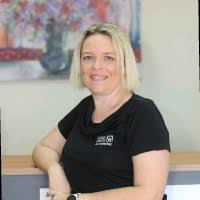
Stacey Jeanes
Stacey Jeanes, the owner and director of Cairns Quality Accounting, leads our Cairns Accountants team with over 20 years of industry experience. As a dedicated professional, Stacey brings advanced expertise in MYOB and Xero, ensuring clients receive efficient and accurate service. With a passion for helping others achieve their financial goals, Stacey tailors each solution to meet unique client needs.
In recognition of her remarkable community contributions, Stacey was honoured in 2024 with the Michelle Commins Legacy Award. This prestigious award acknowledges her extensive volunteer work with the Southside Comets Football Club, where she has served as Treasurer since 2018. Stacey’s commitment to her community mirrors the dedication she brings to Cairns Quality Accounting, as she strives to create positive outcomes both in business and beyond.
Disclaimer
“The information on this website is general in nature and is provided for information purposes only. It is not legal, financial or professional advice. You should obtain specific, independent advice relevant to your circumstances.”