
What if the best north queensland accountant for your small business isn’t the one with the longest service list, but the one who helps you make clearer decisions? Tax, bookkeeping and cash flow can feel like a lot to manage while you’re also serving customers and growing your business. The right support should make your finances easier to understand and manage.
Choosing well means looking beyond compliance. You’ll want an accountant whose expertise fits your business, who communicates clearly and whose services can adapt as your needs change. This guide takes a CPA perspective. CPA and Chartered Accountant are distinct professional designations, not interchangeable titles. Stacey Jeanes is a Fellow Certified Practising Accountant (FCPA), the highest membership designation awarded by CPA Australia.
Use this practical checklist to assess credentials, communication, services and local access. Cairns Quality Accounting serves the Cairns region, including Bungalow, Westcourt, Manunda, Portsmith and Earville, with in-person access at its Westcourt office and secure online services. Tailored support with tax and cash flow can help you make informed decisions and spend more time enjoying the rewards of running your business.
Key Takeaways
- List your current accounting tasks and cash flow concerns before comparing services, so you can focus on the support your business needs now.
- Choose a north queensland accountant whose communication and expertise can support your tax decisions and business goals as they evolve.
- Prepare for an initial conversation by noting your priorities, questions and the financial tasks you’d like help managing.
- Cairns Quality Accounting’s monthly Practice Update shares industry news, tax tips and regulatory changes to help you stay informed.
- Look for a working relationship that connects reliable financial support with the freedom to enjoy your business’s progress and rewards.
What should a North Queensland accountant do for a small business?
A small-business accountant can do more than prepare figures at tax time. They can help you keep records organised, prepare financial reports and tax returns, and understand what the numbers mean for business decisions. Good accounting support connects compliance tasks with a clearer view of how money moves through your business.
Accounting covers financial, management and tax work. What is Accounting? offers a broad introduction, but for a business owner the practical question is how accurate, current information can guide everyday choices. Well-kept records make it easier to track income and expenses, plan for upcoming obligations and discuss legitimate tax options with a CPA in light of your circumstances.
Periodic work, such as preparing a tax return or BAS, addresses specific reporting and compliance needs. Ongoing support adds discussion about the numbers: what’s changing, where cash flow feels tight and which decisions are coming up. It doesn’t guarantee a particular financial result, but it gives you a better basis for planning and helps keep financial information useful throughout the year, rather than looking at it only when a deadline arrives.
How accounting support connects to everyday business decisions
Current records can help you compare trading performance across periods, monitor expenses and anticipate when cash may be needed for bills or quieter trading periods. Before committing to a new business expense, for example, you can review available cash and expected commitments. That information can support a more informed discussion without replacing your judgement as the owner.
Clearer financial information can also help you plan for milestones, whether you’re considering a change in operations or want more confidence about taking time away. A CPA-led approach can connect compliance and business decisions. Stacey Jeanes is an FCPA, the highest membership designation awarded by CPA Australia. CPA and Chartered Accountant are distinct designations, not interchangeable titles.
Which small businesses can benefit from tailored accounting?
Sole traders, partnerships and small companies can all benefit from accounting support, but their needs differ. One owner may need help keeping bookkeeping current; another may need support with BAS and GST management or a business tax return. Start with the work your business needs handled, rather than assuming every business requires the same package.
Your needs can change as trading shifts, the business grows or responsibilities develop. A service mix that suits a newer operation may need to be revisited as record-keeping, reporting and planning become more involved. A north queensland accountant can help you understand those changing needs, so your financial information supports sound tax decisions and the opportunity to enjoy the rewards of running a business.
How to assess an accountant’s services, expertise and fit
Start your comparison with your business, not a firm’s list of services. Write down what takes the most time or causes the most uncertainty: keeping records current, preparing tax returns, managing BAS and GST, or understanding cash flow. Then consider what you want from the relationship. Do you mainly need help with specific tasks, or would regular conversations about your numbers and upcoming decisions be useful?
Use these points to compare an accountant’s expertise and working style with your priorities:
- Relevant services: Look for support that addresses your current accounting and tax tasks, rather than choosing a broad service list by default.
- Professional expertise: Consider the accountant’s designation and relevant experience, including familiarity with the kinds of business decisions you need to make.
- Clear communication: Notice whether explanations are easy to follow and whether you feel comfortable raising concerns.
- Continuity: Understand how ongoing support and information sharing fit into the relationship, so you know what to expect beyond a single task.
Match services to your business’s current priorities
Bookkeeping and reporting help keep the information behind business decisions organised and useful. If reconciling records takes attention away from running your business, bookkeeping support may be a priority. BAS and GST support helps with recurring administration involved in tracking and reporting business activity. A business tax return addresses a different need, while business advisory can bring planning, trading performance and cash flow into the same discussion.
These services can complement one another, but they aren’t interchangeable. A tax return focuses on tax reporting; bookkeeping maintains records; advisory discussions use financial information to explore business choices. Your needs may span more than one area. For example, a business owner concerned about cash flow may first need clearer records, followed by a discussion about what those records suggest for upcoming plans. Advice can inform decisions, but it can’t promise a particular result.
Look for clear communication and a tailored working relationship
Good communication should leave you clear about the information being used, the work being handled and what you need to provide. Notice whether the accountant explains financial terms in plain language and makes space for questions. A useful discussion connects the numbers to your priorities instead of leaving you with figures you’re unsure how to use.
Talk about how you’ll share records, who your main point of contact will be and whether support focuses on periodic tasks or continuing discussions. A north queensland accountant should explain how the working arrangement can fit your circumstances, without assuming every business needs the same service mix. To learn about the people and approach behind our work, explore our CPA-led team and experience.
What local access and professional credentials mean in North Queensland
Choosing a North Queensland accountant involves more than finding someone nearby or recognising a professional title. Local access can make conversations easier to arrange, while credentials give you context about an accountant’s professional background. Neither an office location nor a designation guarantees a particular business outcome. Consider how qualifications, experience and ways of working fit the support you need.
What to understand about CPA and Chartered Accountant designations
CPA, or Certified Practising Accountant, and Chartered Accountant are separate professional designations. They’re not interchangeable titles, and one shouldn’t be used as shorthand for the other. When comparing accountants, take note of each professional’s designation and consider it alongside their experience and ability to explain how their work relates to your business. A credential is useful context, but the working relationship and relevance of the support matter too.
For a small-business owner, the practical test is whether financial information and advice are communicated clearly enough to support decisions. You should be able to discuss tax and reporting questions in language you understand and see how the accounting work connects with your priorities. Professional qualifications provide important context; they don’t replace a conversation about your business, its circumstances and the decisions ahead.
When local meetings and online services both matter
Some business owners value meeting face-to-face to talk through records or plans. Others may find email, phone or video conferencing more convenient for particular conversations. Secure online services also make remote working practical. These are different ways to access support, not measures of its quality. A local meeting can suit a detailed discussion, while remote options can work well for routine communication or when travelling to an office isn’t convenient.
In Cairns, Cairns Quality Accounting’s office is in central Westcourt, near Showground Shopping Centre on Mulgrave Road, with ample parking. You can access support in person, by email, phone and video conferencing, as well as through secure online services. This gives small businesses a local point of access alongside remote ways to work together.
As you consider a local practice, think about where you’re based, how you prefer to discuss financial matters and what suits your schedule. A business in Cairns, Bungalow, Westcourt, Manunda, Portsmith or Earville may value the option of a local conversation without needing every interaction to happen in person. The right mix depends on your preferences and the work at hand.
Credentials and access are useful starting points, but they’re only part of the picture. Look for an accountant who explains their professional background clearly, communicates in a way that works for you and makes meeting options practical. That combination can help you maintain an ongoing relationship as your accounting needs change.
How to shortlist and prepare to speak with an accountant
A first conversation is more useful when you know what you want to understand or improve. You don’t need every answer or a perfect set of records. A clear picture of your business priorities can help you explain what support you’re looking for and decide whether the accountant’s approach feels suitable.
Use this sequence to create a focused shortlist:
- Identify your needs. Note the accounting tasks taking up time, the questions you can’t resolve and the decisions coming up.
- Compare the fit. Consider whether the accountant’s experience and services relate to your priorities and whether their communication style feels clear.
- Prepare questions. List what you want to know about service scope, reporting, responsibilities and ongoing communication.
- Arrange a conversation. Explain your circumstances and discuss how support could be tailored to your business.
Questions that make an initial accounting conversation useful
Ask questions that invite practical answers, rather than focusing only on service names. For example: “How would you approach the cash flow concern I’ve described?” or “Which accounting tasks would help address my current priorities?” You can also ask how tax preparation, bookkeeping or BAS and GST support could relate to your situation, and what work would sit within the agreed service scope.
Communication matters after the first discussion, too. Ask how you’ll receive updates, what reporting or explanations you can expect, and how follow-up questions are handled. Clarify what information you’ll need to share and what the accountant will take care of. The answers help you picture the working relationship, not just the initial task.
Prepare for a practical discussion about your business
Before the conversation, write a short description of what your business does, its current stage and any changes you’re working through. You might mention a new direction, a busy trading period or a goal that depends on a clearer view of your finances. Keep it relevant. You’re setting the scene, not giving a formal presentation.
Then note the questions you most want answered. These could involve cash flow, tax planning, bookkeeping or understanding your financial reports. If an accounting task is causing uncertainty, describe what’s happening and what you’d like to see or manage more clearly. This helps keep the discussion focused on your circumstances instead of assumptions about what every business needs.
A north queensland accountant should explain how proposed support connects with your priorities and how you’ll work together. Before moving ahead, make sure you understand the scope of the work, how information will be shared and how communication will happen. The details should reflect your needs, not an assumed standard arrangement.
If you’re ready to discuss your small business’s accounting priorities, arrange a conversation with Cairns Quality Accounting.
How Cairns Quality Accounting supports North Queensland small businesses
Choosing a north queensland accountant is ultimately about finding support that suits the way you run your business. Cairns Quality Accounting is a locally owned boutique practice serving individuals and businesses in the Cairns region. Its promise is “We Take Care of Your Business,” with a commitment to outstanding customer service and support shaped around each client’s circumstances.
For small-business owners, that can mean bringing everyday accounting tasks together with a clearer view of the business. Bookkeeping helps organise financial records; business tax returns, BAS and GST support address important reporting needs; and business advisory helps owners consider financial information alongside business goals and cash flow. The right mix depends on what you need now and how your business is developing.
A locally accessible Cairns accounting team
The firm’s office is in Westcourt, Cairns, on Mulgrave Road near Showground Shopping Centre, with ample parking. If you value meeting in person, the local office makes face-to-face conversations possible. Secure online services are also available, alongside email, phone and video conferencing, so you can choose a format that suits the task and your preferences.
The team is friendly and approachable. That matters when you want to raise a tax question, talk through a cash flow concern or understand what your records show without getting lost in technical language. Tailored service and competitive rates support a practical, personal working relationship, rather than assuming every small business needs the same assistance.
Professional experience and ongoing business support
Stacey Jeanes is an FCPA with over 20 years of experience. Across the firm, there is more than 30 years of accounting, taxation and audit experience. This depth of expertise supports conversations that connect accounting work with business decisions while keeping advice grounded in your circumstances. Clear information can help you consider tax decisions and cash flow with greater confidence, though outcomes always depend on your situation.
Support can extend beyond individual accounting tasks. The monthly Practice Update shares industry news, tax tips and regulatory changes, helping business owners stay informed. It complements conversations about your business by bringing relevant updates to your attention, so you can consider what may matter to your operations and seek guidance where appropriate.
Running a business takes persistence, and financial administration can compete with time spent serving customers or enjoying the progress you’ve made. Organised records, relevant tax support and business advisory give you a more considered basis for decisions and help you keep sight of the rewards you’re working towards. Cairns Quality Accounting aims to make that support personal, accessible and practical.
To discuss accounting support for your business, get in touch with Cairns Quality Accounting and start a conversation about your priorities.
Make your next business decision with confidence
The right accounting relationship should grow with your business. As your priorities shift, keep talking about what’s working, where cash flow feels uncertain and which decisions are coming next. That ongoing connection can help you use financial information purposefully, stay focused on your goals and make room to enjoy the rewards of the business you’re building.
Choosing a north queensland accountant is a personal decision. Look for support that makes it easier to ask questions and understand your options. You don’t need everything figured out before taking the next step. Start with the concern or opportunity most on your mind, then discuss how tailored accounting support could help.
Get in touch with Cairns Quality Accounting to discuss tailored support for your business. A clear, practical conversation can be the beginning of a more confident approach to your finances.
Frequently Asked Questions
How do I choose an accountant for a small business in North Queensland?
Choose a north queensland accountant by matching their experience and communication style to the decisions your business faces. Start by naming the tasks you want help with and the questions you need answered. A sole trader seeking support with records may have different priorities from a company preparing for expansion. In Cairns, including Bungalow, Westcourt, Manunda, Portsmith and Earville, consider how you prefer to meet and communicate, then compare scope, credentials and approach.
Is a CPA the same as a Chartered Accountant?
No. CPA, or Certified Practising Accountant, and Chartered Accountant are distinct professional designations, not interchangeable titles. When comparing qualifications, consider the designation an accountant holds alongside their relevant experience and how clearly they explain their work. It’s also useful to discuss the decisions you need help with, such as interpreting financial reports or considering tax options, rather than relying on a title alone to predict an outcome.
Can an accountant help with small-business cash flow?
Yes. Accounting support can help you organise information about income, expenses and expected commitments so you can discuss cash flow with a clearer picture. For example, reviewing when customer payments come in alongside regular outgoings can help identify timing questions to consider before making a business decision. A CPA may also discuss budgeting or cash flow reporting. This support informs your judgement, but can’t guarantee a particular cash position or business result.
How much does an accountant in North Queensland cost?
Accounting fees depend on the work involved, which may include a tax return, regular bookkeeping, BAS and GST support or broader business advisory. The scope will depend on your needs. Cairns Quality Accounting offers competitive and affordable rates, with tailored services to suit each client. Discuss the work you need and the fee for that scope before proceeding.
Can I work with a Cairns accountant if I prefer online meetings?
Yes. You can work with a Cairns accountant remotely if that better suits your routine or location. Cairns Quality Accounting offers video conferencing, phone, email and secure online services, so you can discuss business matters without every conversation taking place at the office. You might choose a video meeting for a detailed discussion and email for follow-up information. The format can depend on the conversation and your preference.
Does every small business need an audit?
No. An audit isn’t automatically necessary for every small business. Whether one is needed depends on its purpose, scope and any requirements that apply to the particular entity or situation. If an audit is being considered, discuss what it is intended to address and what work would be involved before assuming the same arrangements apply to every business. An audit isn’t a tax-saving strategy and shouldn’t be treated as a guarantee of fraud detection.
What should I discuss in my first meeting with an accountant?
Explain what your business does, what you’re working towards and the financial question you most want to resolve. You could discuss an upcoming investment, uncertainty about cash available for regular expenses or difficulty keeping records up to date. Mention the accounting tasks taking your time and what information would help you make decisions. A concise overview and a few written questions can keep the conversation focused on your priorities.
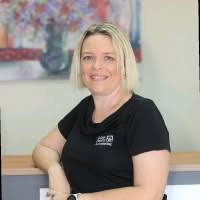
Article by
Stacey Jeanes
Stacey Jeanes, the owner and director of Cairns Quality Accounting, leads our Cairns Accountants team with over 20 years of industry experience. As a dedicated professional, Stacey brings advanced expertise in MYOB and Xero, ensuring clients receive efficient and accurate service. With a passion for helping others achieve their financial goals, Stacey tailors each solution to meet unique client needs.
In recognition of her remarkable community contributions, Stacey was honoured in 2024 with the Michelle Commins Legacy Award. This prestigious award acknowledges her extensive volunteer work with the Southside Comets Football Club, where she has served as Treasurer since 2018. Stacey’s commitment to her community mirrors the dedication she brings to Cairns Quality Accounting, as she strives to create positive outcomes both in business and beyond.
Disclaimer
“The information on this website is general in nature and is provided for information purposes only. It is not legal, financial or professional advice. You should obtain specific, independent advice relevant to your circumstances.”