
Cloud accounting can make it easier to keep your financial records current, but it still relies on a steady bookkeeping routine to support BAS preparation. For small businesses exploring cloud accounting in Cairns, the practical benefit is having financial information organised and accessible. The software can support good processes, but it can’t replace them or professional judgement.
It’s reasonable to ask whether a new system will make GST, cash flow and day-to-day decisions easier to manage. With a suitable setup and regular attention to records and reconciliations, cloud accounting can give you a clearer picture of how your business is performing. This guide explains what the software can do, where bookkeeping and review still matter, and how to make financial information more useful. The aim is to help you spend less time chasing records and more time running your business and enjoying its rewards.
This guidance reflects a CPA perspective. CPA and Chartered Accountant are distinct professional designations. Stacey is a Fellow Certified Practising Accountant (FCPA), the highest membership designation awarded by CPA. With more than 30 years of regional experience, we look at cloud accounting as part of a supported bookkeeping and BAS process for small businesses in Cairns, Bungalow, Westcourt, Manunda, Portsmith and Earville.
Key Takeaways
- Understand what cloud accounting can do for your records, and why software still needs consistent bookkeeping and review.
- Follow a practical sequence from keeping source records to reconciling accounts, reviewing reports and preparing BAS information.
- Compare software-only, owner-managed and ongoing bookkeeping approaches to decide how responsibilities should be shared.
- Review invoices, upcoming commitments and relevant reports regularly to build a clearer view of cash flow.
- Use cloud accounting Cairns small businesses rely on to support reporting, informed decisions and considered tax planning.
What cloud accounting means for a Cairns small business
Cloud accounting is internet-accessible software that lets a business store, organise and work with financial records online. Instead of keeping working records on one desktop computer, authorised users can access shared information through a browser or app. Access depends on the system, user permissions and internet connection.
For a small business, the practical value is having sales, expenses and other records together and available for review. You and your accounting professional can work from the same information, follow up on questions and discuss what the figures mean. A general overview of accounting software also describes the broader role of these tools in recording and managing financial information.
How cloud accounting differs from desktop accounting
Desktop accounting software is generally used on a computer where the program and working records are stored. Cloud accounting is accessed over the internet, which can let authorised users work with shared records from different locations. What you can access depends on the software, permissions and connection. Cloud access doesn’t mean every task can be completed from anywhere, or that records update themselves correctly.
What the software does, and what it doesn’t do
Depending on the system and setup, accounting software may help capture source records, categorise transactions and produce reports. These functions can support an orderly bookkeeping routine, but reliable reports depend on complete records and regular checks. A transaction may be categorised incorrectly, or an expense may need context that the software can’t determine.
A useful routine is to keep invoices and receipts, check how transactions are recorded, and follow up on entries that don’t match your business records. This gives you a sounder basis for BAS preparation and GST reporting. Software can organise information, but it doesn’t take responsibility for bookkeeping decisions, complete every BAS task automatically or replace professional judgement.
That distinction matters when cloud accounting Cairns businesses use it to understand cash flow or consider tax minimisation. Reports are only useful when the underlying records are accurate and interpreted in the context of the business. As a CPA, I bring a practical accounting and business perspective to those records. CPA and Chartered Accountant are distinct professional designations, each with its own professional body. Stacey is a Fellow Certified Practising Accountant (FCPA), the highest membership designation awarded by CPA. Cloud tools help organise information, while tailored CPA advice helps you make sense of it.
How cloud accounting supports records, BAS and GST workflows
Cloud accounting is most useful when it supports a consistent bookkeeping process, rather than simply acting as a place to store transactions. For a Cairns small business, a dependable workflow takes records from source documents through checking and reconciliation before BAS information is prepared. Accurate, complete records support GST reporting, but software alone can’t guarantee an error-free lodgement.
A repeatable bookkeeping routine for cloud records
Set a regular time to review records that suits the pace of your business. A business with frequent sales and expenses may need to check its information more often than one with fewer transactions. Keep invoices and receipts organised, then match them to the relevant sales, purchases or payments. Clear supporting records make it easier to explain a transaction later.
Reconciliation means comparing accounting records with source information, such as bank transactions, to check that they agree. Regular reconciliation can bring missing records, duplicates and unusual entries to your attention sooner. Follow up unclear or uncategorised transactions while the details are still familiar, rather than letting them accumulate.
From source records to BAS information
A practical sequence helps make the work manageable:
- Capture source records: keep sales invoices, receipts and other supporting documents together in your bookkeeping workflow.
- Categorise transactions: record sales and expenses consistently, and check entries that aren’t clear.
- Reconcile accounts: compare accounting records with available source information and resolve differences.
- Review reports: look for incomplete entries, unexpected movements or figures that need explanation.
- Prepare BAS information: use the checked sales, expense and GST records as a basis for preparation and review.
Software may calculate or summarise figures from the information entered. Those outputs still need to be checked: an incorrect category or missing source document can affect the reports. Reporting obligations depend on your business’s circumstances, so don’t treat a software calculation as a substitute for understanding what applies or getting professional review.
From a CPA perspective, the goal is to make records useful for both BAS preparation and everyday decisions. Timely information can help you see how sales, costs and GST-related transactions affect cash flow, and support considered tax planning. Cairns Quality Accounting provides bookkeeping and BAS support to help small businesses maintain this process and work through their records. For guidance tailored to your bookkeeping and BAS needs, contact our Cairns team.
Cloud accounting software versus bookkeeping support: what does a small business need?
Choosing cloud accounting doesn’t mean choosing between software and professional support. The right arrangement depends on your transaction volume, the time you can give your records and how much help you need interpreting the results. The comparison below shows how responsibilities can be shared. The details should reflect your business and the way its records are managed.
| Approach | Record entry and reconciliation | BAS preparation | Financial interpretation |
|---|---|---|---|
| Software-only workflow | The owner enters or captures records and checks transactions. | The owner uses the records and software outputs to prepare BAS information. | The owner interprets reports, with no professional review built into this approach. |
| Owner-managed records with review | The owner maintains records and reconciles accounts; a professional reviews agreed information. | The owner and professional can clarify records and review BAS information as arranged. | The owner can discuss reports and questions with a professional. |
| Ongoing bookkeeping support | A bookkeeper supports regular record entry and reconciliation with the owner providing source documents and context. | Bookkeeping and BAS support can help organise information for preparation and review. | CPA advice can help interpret results in the context of business decisions. |
Software stores and processes records, while people provide context and professional judgement. Reports show what has been entered, but they can’t explain every unusual transaction or determine what a figure means for your next business decision.
When an owner-managed routine may suit
Managing records yourself may work if you have time to keep them current, feel confident organising transactions and can maintain a consistent review routine. You’ll still need to resolve unclear entries and seek professional advice for BAS questions or decisions that require more context. As activity and reporting needs change, the routine that once worked may need to change too.
When regular bookkeeping or CPA support can help
If transactions are becoming more complex, records are falling behind or bookkeeping is taking time away from running the business, regular support can help establish a manageable routine. Bookkeeping and BAS support help keep information organised and ready for review. For cloud accounting Cairns small businesses use, CPA guidance can also connect financial reports with cash flow and considered tax minimisation.
CPA and Chartered Accountant are distinct professional designations, each representing a respected professional pathway. We help Cairns small businesses find a practical balance between owner involvement, bookkeeping support and CPA advice, so financial information can be used with greater confidence.
Set up cloud accounting routines that improve cash-flow visibility
Useful cash-flow discussions start with records that are current enough to show what is moving through your business. Record sales, expenses and payments promptly, then review what customers still owe and which commitments are approaching. This helps you understand the timing of money in and out, rather than looking only at sales or profit.
Current records, regular review and clear questions give you a stronger basis for cash-flow decisions. Accounting reports can help you spot patterns and plan, but they can’t guarantee how much cash will be available in the future. Payments may arrive later than expected, and costs or circumstances can change.
Use regular reviews to spot questions early
Choose a review rhythm that suits your business activity and keep to it. Check outstanding invoices, upcoming commitments, relevant reports and transactions that remain unclear. Ask practical questions: which customer payments are overdue, what significant expenses are approaching, and do the records explain any unexpected movement? A report can highlight a change, but you’ll need to investigate the reason.
Following up while details are fresh makes the records more useful and your next steps clearer. If a pattern raises concerns, or you’re unsure how it affects cash flow, discuss it with your CPA as part of timely business advisory. You don’t have to wait until a reporting deadline to seek clarity.
Make financial information useful for business decisions
Well-kept records can help you assess whether an expense fits your plans, understand how payment timing affects available cash, and prepare for tax-minimisation discussions. They’re a starting point, not a complete forecast or a substitute for advice that considers your business’s circumstances. A CPA can interpret the information alongside your goals, commitments and operating context.
For cloud accounting Cairns small businesses use, the aim is to turn organised information into practical choices: what needs attention now, what can be planned for, and which questions need further review. Business advisory can connect day-to-day records with wider decisions, including cash-flow forecasting. CPA and Chartered Accountant are distinct, respected professional designations, and this guidance is provided from a CPA perspective.
For support with your records, cash-flow questions or business advisory needs, contact our Cairns accounting team.
Choosing cloud accounting support in Cairns: a practical next step
A useful accounting workflow starts with understanding what’s happening in your business now. Your records don’t need to be perfectly organised before you discuss support. A clear sense of what’s working, what takes too much time and where you want more confidence can help identify a practical next step.
What to prepare before discussing your accounting workflow
Before a conversation, jot down a few points about your current systems and routines. Note where you keep invoices and receipts, how often you review transactions and which reports you use. Then list the questions you want answered, such as whether you can see upcoming cash-flow pressures or how much time you spend maintaining records.
- Record-keeping issues: Note delays, unclear transactions or records that are difficult to locate.
- Reporting needs: List the information you want to understand for business decisions or regular reporting.
- Cash-flow questions: Identify concerns about customer payments, upcoming expenses or the timing of money in and out.
- Available records: Take stock of the records and reports you already have, without sharing account passwords or sensitive login details.
This gives you a grounded starting point, even if you’re still deciding what level of support would be useful.
How local CPA support can make the system more useful
A CPA can discuss how your software records fit with your bookkeeping routine, BAS preparation and broader business advisory needs. The goal is to connect the system to the way your business operates, so financial information can support clearer decisions about cash flow, spending and tax minimisation. Advice should reflect your circumstances, rather than assume the same workflow suits every small business.
CPA and Chartered Accountant are distinct professional designations associated with different professional bodies, CPA Australia and Chartered Accountants Australia and New Zealand. Both are respected pathways, and the guidance here is from a CPA perspective. With more than 30 years of experience, our locally owned Cairns firm brings regional small-business understanding to bookkeeping, BAS and business advisory conversations. Learn more about our Cairns accounting team.
A conversation can help connect your records, reporting and cash-flow questions, then identify routines and support that fit your business. That can mean less time chasing information and more time building a business that works for you.
Build a clearer path for your business finances
Cloud accounting works best when current records are backed by a regular review routine and the right level of bookkeeping or CPA input. For small businesses, this can make BAS preparation more orderly and financial reports more useful for cash-flow decisions. Software organises information; professional judgement helps put it in the context of your business.
Cloud accounting Cairns business owners use should do more than store records. As part of a practical process, it can help you understand cash flow, consider tax minimisation and make informed decisions, while leaving room to enjoy the rewards of running your business.
Cairns Quality Accounting is locally owned and has more than 30 years of experience serving businesses and individuals. Our bookkeeping, BAS and GST management, and business advisory support is grounded in local experience. CPA and Chartered Accountant are distinct, respected designations, and this guidance reflects a CPA perspective.
Ready to make your records work harder for you? Talk with our Cairns accounting team about a practical next step. A clearer financial picture can help you move forward with confidence and focus on the business and lifestyle you’re building.
Frequently Asked Questions
What is cloud accounting, and how does it work for a small business?
Cloud accounting uses internet-accessible software to store and work with a business’s financial records. You can enter or capture sales and expenses, organise transactions and review reports through a browser or app, depending on the system. Keeping source documents and checking entries regularly helps make the information more reliable. With authorised access, you and your accounting professional can discuss questions using shared records.
Is cloud accounting suitable for a small business in Cairns?
Cloud accounting can suit a Cairns small business when the system and record-keeping routine fit the way it operates. Cloud accounting Cairns owners use can support access to organised records and collaboration with an accounting professional, but it still needs regular attention. Cairns Quality Accounting supports businesses across Cairns, Bungalow, Westcourt, Manunda, Portsmith and Earville with bookkeeping, BAS and GST, and business advisory services.
Can cloud accounting software prepare and lodge my BAS?
Cloud accounting software may organise transaction information and produce figures that help with BAS preparation, but its capabilities depend on the system and setup. The figures still need to be checked against complete, accurate records. Software doesn’t replace professional review or determine what applies to your business. Cairns Quality Accounting provides BAS and GST support, including preparation and electronic lodgement, to help connect software records with the reporting process.
How does cloud accounting help with cash-flow management?
Cloud accounting can bring sales, expenses and payments into records and reports that help you see money moving through the business. Regularly reviewing outstanding invoices, upcoming commitments and relevant reports can make cash-flow questions easier to identify. This information supports planning and decision-making, but it can’t guarantee future cash availability. Payments may be delayed and circumstances can change, so use reports as a guide, not a promise.
Do I still need a bookkeeper or CPA if I use cloud accounting software?
Software doesn’t automatically remove the need for bookkeeping or CPA support. A bookkeeper can help keep records current and reconciled, while a CPA can review information, support BAS work and discuss what reports mean for your business. CPA and Chartered Accountant are distinct, respected professional designations, and this guidance is from a CPA perspective.
Is cloud accounting software the same as bookkeeping?
No. Cloud accounting software is a tool for storing, organising and working with financial records. Bookkeeping is the ongoing work of recording and checking transactions and keeping business records organised. Software can support that work, but it doesn’t ensure every transaction is entered correctly or resolve unclear items by itself. The right balance of owner input and bookkeeping support depends on transaction activity, available time and reporting needs.
What should I prepare before moving my small business accounts to the cloud?
Start by noting your current record-keeping system, the routine you follow and any recurring reporting concerns. List the questions you want the information to help answer, such as what customers owe, which expenses are coming up or how much time records take to maintain. Gather available reports and source records, such as invoices and receipts. You can prepare for a discussion without sharing sensitive account credentials.
Can my accountant access my cloud accounting records?
Authorised access may be possible, depending on the cloud accounting system, its permissions and internet connectivity. Shared access can let you and your accounting professional discuss transactions and review reports without relying only on separate copies. The access available depends on the system setup and permissions granted. Keeping access appropriate and records current makes collaboration more useful.
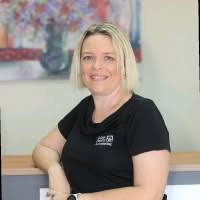
Article by
Stacey Jeanes
Stacey Jeanes, the owner and director of Cairns Quality Accounting, leads our Cairns Accountants team with over 20 years of industry experience. As a dedicated professional, Stacey brings advanced expertise in MYOB and Xero, ensuring clients receive efficient and accurate service. With a passion for helping others achieve their financial goals, Stacey tailors each solution to meet unique client needs.
In recognition of her remarkable community contributions, Stacey was honoured in 2024 with the Michelle Commins Legacy Award. This prestigious award acknowledges her extensive volunteer work with the Southside Comets Football Club, where she has served as Treasurer since 2018. Stacey’s commitment to her community mirrors the dedication she brings to Cairns Quality Accounting, as she strives to create positive outcomes both in business and beyond.
Disclaimer
“The information on this website is general in nature and is provided for information purposes only. It is not legal, financial or professional advice. You should obtain specific, independent advice relevant to your circumstances.”