
Being behind on tax returns doesn’t mean you have to work through the backlog alone. A registered tax agent in Cairns can prepare and lodge returns on your behalf and deal with the ATO if questions arise. Individual annual tax returns are generally due by 31 October, although a later deadline may apply when you use a registered tax agent.
It’s understandable to feel stressed when tax lodgements have fallen behind, especially when compliance competes with the demands of running a small business. A practical first step is to check who can help and confirm that the tax agent is registered.
This article explains how to use the Tax Practitioners Board Register and what a registered tax agent can do to help with overdue returns, amendments and tax planning. It also explains how to approach compliance with more confidence. Stacey Jeanes is a Fellow Certified Practising Accountant (FCPA), the highest membership designation awarded by CPA Australia. CPA and Chartered Accountant are distinct designations.
Key Takeaways
- A registered tax agent can prepare and lodge returns on your behalf, including when you have fallen behind.
- Understanding how overdue and amended returns are handled can help you plan a clear path back to compliance.
- Australian businesses must register and report GST if their turnover exceeds $75,000, according to the Australian Taxation Office.
- The Tax Practitioners Board Register can help you check an agent’s registration and view relevant public-record information.
- Consider how tax return support and business advice could help you manage cash flow and make informed decisions.
Registered tax agent services
A registered tax agent can prepare and lodge a tax return on your behalf and deal with the Australian Taxation Office (ATO) if questions arise. For a Cairns small business owner, support may cover business income, deductible expenses and records, as well as an individual return. A registered tax agent in Cairns can also help organise the information needed to prepare an accurate return.
Registration matters when an accountant charges for tax agent services. In Australia, generally only registered tax and BAS agents can charge or receive a fee or other reward for providing tax agent, BAS or tax (financial) advice services. This rule applies to those services, not every task accountants perform. Preparing a tax return, for example, is different from organising bookkeeping records. Ask what work is included and who is responsible for each part.
In Cairns, an accounting firm can support individuals and small businesses with different tax and accounting needs. Work may include organising financial records, preparing and lodging returns, and responding to ATO questions. For example, a business needs its sales records, expense statements and payroll information organised before its return can be prepared. Clear records can also help owners understand cash flow and plan business decisions.
For businesses and individuals in Cairns, Bungalow, Westcourt, Manunda, Portsmith and Earville, local accounting support can connect tax records with day-to-day operations. Owners may be coordinating sales, expenses and other records while running a business. A tax agent needs to understand the relevant activities and supporting documents, rather than assume every taxpayer’s circumstances are the same. Location alone does not determine tax treatment.
Cairns Quality Accounting offers in-person and secure online services, with communication by email, phone or video conference. The Tax Practitioners Board Register confirms registration details; it does not set a firm’s appointment formats, opening hours or languages.
If an agent makes an error, identify the return and entry involved, then raise the correction with the agent. For a conduct concern, the Tax Practitioners Board Register includes public-record Code of Professional Conduct breaches and sanctions. The Tax Practitioners Board provides the relevant complaint pathway.
CPA and Chartered Accountant are distinct professional designations. Stacey Jeanes is a Fellow Certified Practising Accountant (FCPA). Her accounting perspective supports practical conversations about tax compliance, cash flow and decisions that help small businesses make informed choices.
Late, multi-year and amended tax returns
Falling behind can leave a small business owner unsure which year to tackle first. Start by identifying every outstanding annual return and any return that may need correction. In Australia, individual tax returns are generally due for lodgement by 31 October. A later deadline may potentially apply when you use a registered tax agent, so discuss your situation early and plan the lodgements in order.
Preparation begins with the records for each income year. A tax agent needs a clear picture of income, expenses and the business structure for that period. For example, a sole trader’s business income forms part of their individual tax return, while a company files its own business return. Mixing figures across years or structures can make it harder to determine what each return should report.
For several overdue returns, organise the work by year instead of treating the backlog as one set of figures. This helps establish which records belong to each period, identify missing details and work through returns systematically. Useful material may include income statements, business financial records and information about relevant deductions. The documents required depend on the income and activity reported for each year.
- List the outstanding years. Separate lodged returns from returns still needing preparation.
- Group records by year. Keep income, expenses and supporting statements together.
- Flag changes. Identify differences in income, business structure or personal circumstances.
- Review before lodgement. Resolve gaps and inconsistencies before each return is submitted.
An amended return corrects a return that has already been lodged. First identify the specific entry and the records supporting the corrected information. For example, if a business expense was recorded incorrectly, the adjustment should relate to the relevant year and its supporting financial records. A tax agent can prepare the amendment and help explain the correction if the ATO asks questions.
For overdue or amended returns, clear sequencing helps owners understand what remains outstanding and what information is needed next. It can also make the financial position easier to assess while returns are prepared. If you need help organising individual or business tax return work, tax return support is a practical next step.
Tax planning and compliance
Tax planning helps small business owners make informed decisions before reporting deadlines. Start by reviewing income, expenses, cash flow and upcoming commitments together. For example, a Cairns business planning a large equipment purchase can consider how the timing affects cash available for wages and other bills. Tax minimisation means arranging business affairs thoughtfully within applicable rules, not disguising income or claiming unsupported expenses.
GST is one compliance area to include in a regular review. Australian businesses must register and report GST if their turnover exceeds $75,000, according to the Australian Taxation Office. Tracking turnover and keeping sales records organised helps owners understand where the business stands. A tax professional can assist with reviewing business information and preparing the records needed for GST reporting.
Planning trust income distributions starts with understanding the trust’s records, governing documents and the people involved. A small business owner using a trust should discuss expected income, proposed distributions and relevant beneficiary information with their accountant. For example, if a trust earns income from business activity, planning conversations can identify what information to consider before making distribution decisions. Trust arrangements have specific features, so decisions should reflect the actual structure and records.
Tax planning also connects with everyday business choices. Reviewing cash flow forecasts alongside expected income and expenses can help owners plan for tax obligations without losing sight of operating needs. An accountant can examine the business structure, financial records and intended transactions, then explain relevant tax considerations. This gives owners a clearer basis for decisions, from setting aside funds to assessing a planned change in operations.
Estate planning is a related but distinct consideration for business owners. It concerns how personal and business interests are dealt with in longer-term arrangements. A CPA can help identify accounting and tax information relevant to those discussions, such as business records or the structure through which the business operates. Estate planning can involve legal and financial planning matters, so tax accounting advice is not a substitute for legal representation or financial planning.
A useful compliance routine is to keep records current, review business performance and raise significant proposed changes early. Before changing a business structure or making a trust distribution, for instance, gather the relevant accounts and outline the decision you are considering. This helps the CPA provide focused tax guidance.
For Cairns business owners, structured tax planning connects compliance with practical goals: steadier cash flow, informed tax decisions and room to enjoy the rewards of a successful business. Regularly reviewing sales, expenses and upcoming commitments can help owners plan tax payments while protecting funds for daily operations.
Checking whether a tax or BAS agent is registered
Before discussing an appointment, use the Tax Practitioners Board (TPB) Register to check the person or business you plan to engage. The Register contains details of registered tax and BAS agents, certain unregistered entities and individuals, and public-record Code of Professional Conduct breaches and sanctions. It is a practical starting point for checking registration, rather than relying only on a business name or advertisement.
Search for the agent’s or accounting firm’s name, then review the matching entry carefully. A firm name and an individual practitioner’s name may differ. If you’re speaking with a particular accountant, for example, check that person’s details, not only the firm’s listing. This establishes which practitioner and entity the entry relates to before you discuss tax work.
Next, read the registration information alongside the service you need. Tax agent and BAS agent registration relate to different service types. If you need help preparing a tax return, focus on the tax agent details. If your small business needs BAS services, consider the BAS registration information. If you need both, list the work involved before an appointment and match each task to the relevant registration type.
The Register provides context beyond registration details. It includes public-record information about Code of Professional Conduct breaches and sanctions. Read any relevant record in context: it describes a public matter, but does not replace a conversation about your business’s needs, records or working arrangements. Registration is an important check, not a complete assessment of whether an accountant suits your business.
Interpret location details carefully. Map locations in the TPB Register may not always display because they are provided by the Google Geocoding API service. If a Cairns map marker is missing, don’t treat that alone as proof that the practitioner isn’t registered. Review the registration entry itself and distinguish a missing map display from registration information.
A useful check can follow this sequence:
- Search the practitioner’s or firm’s name in the TPB Register.
- Confirm the entry matches the person or entity you’ll engage.
- Review whether the registration type fits the work you need.
- Read any public-record conduct information shown in the entry.
- Discuss your business structure, records and priorities during the appointment.
These steps help Cairns owners make a more informed decision before handing over financial records. For example, a business needing return preparation and BAS assistance can identify those separate needs before discussing how support fits its operations. This keeps the conversation focused on appropriate services, current business information and the practical demands of running a small business.
How do I choose a registered tax agent in Cairns?
Start with the work your small business needs. An overdue individual return, a business return and cash flow advice each involve different information. Before an appointment, write down your priorities, including outstanding lodgements, questions about business structure or upcoming decisions. This gives the discussion a practical focus and helps identify the relevant tax agent services.
Next, use the Tax Practitioners Board Register to check the practitioner or firm you’re considering. Confirm that the entry matches the person who will handle your tax work, not just a similarly named business. Then consider whether the registration type fits the service you need. Registration is a baseline check; your business’s records, structure and goals also shape the support required.
Ask how the work will be organised. If your business has several income sources, for example, discuss which records are needed and how questions will be handled during preparation. If you’re catching up on returns, explain which years are outstanding. A clear conversation about responsibilities and information helps you understand the steps before work begins.
Consider whether the accounting conversation is useful to your business, not just focused on lodgement. A Cairns small business owner may need to understand how a tax decision affects cash flow or how an upcoming change could affect financial records. Look for clear explanations that connect tax obligations with practical business decisions, without jargon or assumptions about your circumstances.
Use these points to guide your discussion:
- Identify the tax work you need, such as an individual or business return.
- Confirm the practitioner’s registration details against the TPB Register.
- Explain your business structure and the records available for the relevant period.
- Ask how the preparation process will address missing or unclear information.
- Discuss how tax advice relates to cash flow and planned business decisions.
Communication matters. Business owners need a process for sharing records and resolving questions without losing sight of trading priorities. If sales statements and expense records are in different systems, for instance, explain that early. The discussion can then clarify which information is relevant and how it fits into preparing the return.
Choosing a registered tax agent in Cairns means matching registration, tax needs and working style. If you’re ready to discuss your situation, arrange a conversation with Cairns Quality Accounting and outline the returns or business decisions you want to address.
Cairns Quality Accounting: Business Tax Returns
Cairns Quality Accounting helps small business owners prepare business tax returns and organise the financial information they rely on. Turn to the firm when managing a return, working through bookkeeping records or seeking business advisory support for tax-related decisions. Individual tax return support is also available when personal and business finances intersect.
Stacey Jeanes brings a CPA perspective, distinct from a Chartered Accountant viewpoint. As a Fellow Certified Practising Accountant (FCPA), she supports practical conversations about compliance, cash flow and tax decisions, helping you understand the information behind your business obligations.
To discuss your business tax return or related accounting needs, contact Cairns Quality Accounting.
Make your next tax decision with confidence
A clear plan for your next tax step can make it easier to focus on running your business. If you’re weighing up overdue lodgements or want a more considered approach to business finances, a registered tax agent in Cairns can help you work through the information and decide what needs attention first.
Cairns Quality Accounting offers Business Tax Returns and Individual Tax Returns, with Business Advisory to support practical business decisions. The aim is to connect tax work with the realities of running a small business, including managing cash flow and making room to enjoy the rewards of your hard work.
You don’t need to have every detail resolved before starting a conversation. Share the return or business issue you want to address, and take the next step at a pace that feels right for you. Contact Cairns Quality Accounting to discuss your tax needs and move forward with greater clarity.
Frequently Asked Questions
Can you help if I’m behind on my tax returns?
Yes, Cairns Quality Accounting can help with overdue individual and business returns. Start by outlining which returns remain outstanding and whether any already-lodged returns contain errors. For example, a sole trader with an overdue individual return and incomplete business records can explain both issues together. This helps clarify what information is needed for each return and establish a practical order for the work.
Where are you located?
Cairns Quality Accounting’s office is in Westcourt, Cairns, near Showground Shopping Centre on Mulgrave Road. The firm serves Cairns, Bungalow, Westcourt, Manunda, Portsmith and Earville. If you’re based in one of these areas, discuss whether an in-person appointment suits your needs. Online communication is also available by email, phone or video conference, which can help when business commitments make travel difficult.
Which tax agents in Cairns are registered with the Tax Practitioners Board?
Use the Tax Practitioners Board Register to identify registered tax agents serving Cairns. Cairns Quality Accounting provides tax return services through registered tax agents. To match a registration with the person handling your work, search for the practitioner’s name as well as the firm’s name. A business name alone may not identify the individual agent responsible for your return.
How can I verify a Cairns tax agent’s registration and qualifications?
Search for the practitioner’s or firm’s details in the Tax Practitioners Board Register, then check that the entry relates to the person handling your work. Review whether the registration type fits the service you need. Professional designations are a separate consideration: Stacey Jeanes is a Fellow Certified Practising Accountant (FCPA), a CPA designation distinct from Chartered Accountant status. Registration and professional membership are related checks, but they are not interchangeable.
What services do registered tax agents in Cairns offer?
Services depend on the agent and the work required. Cairns Quality Accounting provides Individual Tax Returns and Business Tax Returns, alongside Business Advisory, Bookkeeping, BAS and GST, Auditing and Company Secretarial services. Tax return work can cover individuals, sole traders, partnerships, trusts, companies and self-managed super funds. A café owner, for example, may need business tax support, while an individual may need a personal return prepared.
How much do tax agents in Cairns charge for individual tax returns?
The fee for an individual tax return depends on the work involved and the records provided. A straightforward return with organised income information differs from one involving rental income, investment activity or corrections to earlier filings. Cairns Quality Accounting provides a fee after a quote request, based on the circumstances and scope of work. Share the income sources and tax matters involved to help define the service required.
How do Cairns tax agent fees compare for individuals, sole traders and businesses?
Fees depend on a return’s complexity and the preparation required, so don’t assume the same rate applies to individuals, sole traders and businesses. A sole trader’s records may include business income and expenses alongside personal tax details; a company return uses company financial information. Request a quote based on the entity type, records and services needed. This gives you a more useful comparison than a headline fee alone.
What documents should I bring to a Cairns tax agent for my tax return?
Bring records that show your income and support expenses or other tax claims. For an individual return, gather relevant income statements, information about investments or rental income, and receipts for expenses you want assessed. A sole trader should also organise business income and expense records, plus bookkeeping reports if available. Previous returns can help explain changes, while a list of questions highlights matters you want addressed at your appointment.
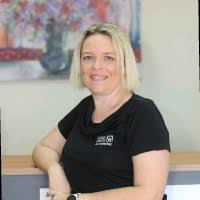
Article by
Stacey Jeanes
Stacey Jeanes, the owner and director of Cairns Quality Accounting, leads our Cairns Accountants team with over 20 years of industry experience. As a dedicated professional, Stacey brings advanced expertise in MYOB and Xero, ensuring clients receive efficient and accurate service. With a passion for helping others achieve their financial goals, Stacey tailors each solution to meet unique client needs.
In recognition of her remarkable community contributions, Stacey was honoured in 2024 with the Michelle Commins Legacy Award. This prestigious award acknowledges her extensive volunteer work with the Southside Comets Football Club, where she has served as Treasurer since 2018. Stacey’s commitment to her community mirrors the dedication she brings to Cairns Quality Accounting, as she strives to create positive outcomes both in business and beyond.
Disclaimer
“The information on this website is general in nature and is provided for information purposes only. It is not legal, financial or professional advice. You should obtain specific, independent advice relevant to your circumstances.”