
Tax planning in Cairns means managing your business tax obligations while making considered decisions about cash flow, investments and potential capital gains. According to the Australian Taxation Office, businesses must register and report for GST when turnover is more than A$75,000. A practical plan brings these obligations into view alongside the choices that may affect your tax position.
It’s easy to focus on the next BAS or tax return and leave broader planning until later. This guide explains how to approach those responsibilities, consider tax planning Cairns business owners may need, and prepare for investment and capital gains tax decisions. Stacey’s FCPA expertise informs a practical perspective for small business owners. We’ll cover key obligations first, then planning steps that can help you manage cash flow and enjoy the rewards of running a successful business.
Key Takeaways
- Keep BAS planning connected to accurate bookkeeping so you can track obligations and make more informed cash flow decisions.
- Review how investment decisions may affect capital gains tax before you sell or change an asset.
- Plan ahead for year-end by reviewing business expenses, records and any decisions that may affect your tax position.
- When choosing tax advice, look for relevant qualifications and experience with the needs of small businesses.
- Business Advisory can help turn tax considerations into practical steps for managing your business and enjoying its rewards.
BAS and tax obligations
For the 2025-26 financial year, plan around GST registration and reporting, BAS preparation, and tax return deadlines. According to the Australian Taxation Office, Australian businesses must register and report for GST when turnover is more than A$75,000. Most individual Australian tax returns lodged by taxpayers themselves are due by 31 October. Add these dates and thresholds to a small business compliance calendar, then review it as trading conditions change.
People running a business or contracting in Cairns will generally need an ABN. Treat registration as an early operating step: record your business structure, income sources and responsible contact details, then keep them accurate as circumstances change. A sole trader, for example, can separate business transactions from personal spending in their records. Clear records make it easier to prepare financial reports and understand the figures behind a BAS.
A BAS brings together relevant business tax reporting for its reporting period. Before preparing one, reconcile sales and purchases against invoices, receipts and bank activity. Check that GST amounts match the underlying transactions, and organise supporting records by period. If a supplier invoice is missing or a sale is recorded twice, resolve the discrepancy before relying on the totals. Accurate bookkeeping supports reporting and cash flow decisions.
Build a repeatable process for each BAS cycle. Set a calendar reminder for the end of each reporting period, gather source documents, reconcile accounts, review totals and set aside funds for any amount payable. A business with seasonal tourism income in Cairns could compare quieter and busier trading periods before planning cash reserves. This helps prevent tax set-asides being treated as available spending money while preserving enough liquidity for wages and operating expenses.
Company records also need ongoing attention. Australian companies must maintain financial records for at least five years. Store invoices, bank statements, payroll documents and tax workpapers in a consistent system, with clear dates and descriptions. An accurate record trail helps explain how reported figures were calculated and makes later reviews more manageable. Record keeping is not just a year-end task; it should follow the same routine as recording sales and payments.
Tax planning connects compliance with your business structure and cash flow. Review registration details when the business changes, monitor turnover against the GST threshold, and prepare BAS figures from reconciled records. For example, compare funds set aside for tax with upcoming wages and supplier payments before committing money elsewhere. This routine helps Cairns business owners stay informed and make decisions using reliable financial information.
Investment and capital gains tax
Investment decisions can affect both a small business’s cash flow and its future tax position. Before buying, improving or selling an asset, keep a clear record of the decision, its purpose and related transactions. A Cairns business owner might review a commercial property, equipment or an investment held personally. Separating business and personal assets in your records makes each transaction easier to assess.
Capital gains tax planning starts well before a sale. Gather purchase documents, records of improvements, ongoing expenses and information about the proposed sale. These details help an accountant understand how the asset was acquired, used and changed over time. A property owner, for example, should keep building and renovation records rather than rely on memory when considering a future sale. Good records also support accurate tax reporting.
Rental property owners can review eligible deductions alongside their investment plans. Capital works deductions may be available for eligible construction costs, depending on the property and the work. The construction history and the type of work matter, so keep supporting documents with the property’s financial records. Before relying on a deduction, distinguish capital improvements from routine costs and organise the paperwork that explains each expense.
Timing can also form part of a year-end review. The research facts for this article identify prepaying up to 12 months of rental property interest or insurance before 30 June as a planning option. Consider how a prepayment would affect available cash, upcoming bills and the investment’s expected income. A deduction may shape the timing of an expense, but it shouldn’t replace a sound cash flow decision.
- List each investment asset, its owner and how it is used.
- Keep purchase, improvement, rental and sale documents together.
- Review expected cash needs before committing to a prepayment.
- Discuss a proposed sale before it happens, while records and options remain clear.
At an appointment, bring your asset records and explain any planned purchase, renovation or sale. This lets the discussion focus on the transaction’s purpose, supporting documents and effect on business cash flow. A CPA perspective keeps attention on these practical details and the records behind them.
For a rental property, review eligible construction records and planned expenses before 30 June. A discussion about investment tax planning can help you organise the information relevant to that decision.
Tax consultant experience and qualifications
For a small business, useful tax advice should connect tax returns with day-to-day decisions. An adviser needs to understand how sales, costs, wages and owner drawings appear in your business records. That context helps turn financial statements into practical information about income, upcoming obligations and available cash. For example, a drop in trading income may affect how much you can comfortably set aside.
Professional designation is one part of the picture. Stacey is a Fellow Certified Practising Accountant (FCPA), the highest membership designation awarded by CPA. CPA and Chartered Accountant are distinct professional designations, and this guidance is written from a CPA perspective. The designation reflects advanced membership within CPA, while relevant small business experience helps make technical advice useful in everyday decisions.
Look for advice that examines your business as a whole, not only the final tax return. A practical discussion should connect your records to the decisions you’re making. Useful areas to cover include:
- How income and expenses flow through your current business structure.
- Which financial statements help explain changes in cash flow.
- How a planned purchase or business change could affect tax reporting.
- What records will support the figures used in your tax returns.
Those points matter when you’re running a business because tax decisions can affect working cash. If you’re considering new equipment, for instance, the discussion should weigh the purchase timing, its business purpose and the records needed to support it. A tax adviser can help relate those details to your accounts, so you can see how the decision fits the wider financial picture.
Experience is most useful when it matches the questions you need to resolve. A start-up may need help understanding its first reporting cycle, while an established business may be reviewing margins, expansion or a change in structure. In either case, clear advice should identify its assumptions and show which records or figures support it. That makes the next step easier to understand and act on.
Prepare for a tax planning discussion by bringing recent financial statements, a summary of income sources and a list of planned business decisions. Note any areas where the records don’t match your understanding of trading activity. With that foundation, you and your CPA can focus on practical tax planning, cash flow management and your business goals. Sound advice should help you make informed choices while keeping the rewards of business ownership in view.
Scott Lawrence has more than 25 years of experience as a tax consultant in public practice and has been based in Far North Queensland since 2003. He holds Fellow status with CPA Australia and a Bachelor of Business degree. These details offer a useful starting point when assessing whether a consultant’s background aligns with your needs, but a conversation should still focus on the work you need done. Ask how the adviser would approach your records, explain the reasoning behind recommendations and identify what information is needed before giving advice. Clear answers can help you judge whether the working relationship is a good fit.
Tax planning and strategies
For tax planning in Cairns, useful strategies connect tax decisions with business cash flow and investment goals. For the 2024-25 year, Australian base rate entities are listed as having a company tax rate of 25%, according to the Australian Taxation Office.
Individual and Small Business Deductions
Individuals and small businesses can claim eligible expenses related to earning income. Review the purpose of each expense, keep supporting records and separate private spending from business costs. For example, check invoices and receipts against your accounts before preparing a tax return, especially for costs with both private and business use.
Before 30 June, review planned expenses and consider whether eligible costs should be paid before year-end. Prepaying interest or subscriptions may be worth assessing, but weigh the timing against cash needed for wages, stock and other bills. Agilis Chartered Accountants’ tax-planning guidance states that eligible rental property capital works deductions may be claimed at up to 2.5% per year of eligible construction costs.
Property investors looking at tax planning in Cairns can review rental income, eligible costs and construction records together. Prepaying up to 12 months of rental property interest or insurance before 30 June may be a strategy to consider. Assess how this affects available cash before making a payment, and keep records supporting the expense and property work.
Trustees should consider trust distribution resolutions before 30 June as part of their year-end planning and reporting. Companies can review their structure and income profile against the criteria for base rate entities before applying the relevant company tax rate. Decisions about deductions, distributions and business spending should fit the entity’s circumstances, records and cash flow needs.
Superannuation contribution planning may reduce taxable income when eligible concessional contributions are made within applicable rules. Eligible concessional contributions may be available to SMSF members, subject to applicable rules. Consider the effect on personal cash needs and keep contribution records. SMSF investment income is listed at a 15% tax rate.
Aggressive Planning Risks and Penalties
Aggressive planning can create problems when a deduction, expense allocation or trust distribution lacks a clear business purpose or supporting evidence. Review the reasoning and records behind each tax position before reporting it. If a claim cannot be explained with reliable documents, it is not a sound basis for tax planning.
Incorrect reporting may need to be corrected and can affect cash flow if additional tax becomes payable. Avoid artificial transactions and unsupported claims. Instead, focus on documented expenses and reporting that reflects real business activity. A CPA can help assess your records and explain practical considerations before you act.
Which Cairns tax agents and accountants specialise in tax planning?
For a Cairns small business, look for a qualified professional who can connect tax work with practical business decisions. The right fit understands how income, expenses, cash flow and business structure affect your planning. Ask how they would approach a real decision, such as buying equipment or reviewing business expenses before year-end.
Start by checking professional qualifications and the scope of advice offered. Stacey is a Fellow Certified Practising Accountant (FCPA), the highest membership designation awarded by CPA. CPA and Chartered Accountant are distinct professional designations; this article takes a CPA perspective. A qualification is one part of the picture, so also consider whether the professional explains relevant tax issues in clear, practical language.
Tax agent and accountant are terms people often use when seeking help with tax returns and planning. Focus on the work involved and how it relates to your needs. Consider whether the advice can cover both compliance tasks and forward-looking decisions, such as managing tax payments alongside wages, supplier bills and planned purchases.
Use an initial discussion to understand how the adviser approaches your circumstances. For example, if your income changes with seasonal Cairns trade, discuss how that pattern can inform cash flow planning. A useful conversation connects your records with the decision at hand, explains the assumptions behind the advice and identifies the next practical step.
Before making an appointment, prepare a short agenda and gather relevant records. This helps keep the discussion focused on your business rather than general tax theory. You might include:
- Your current business structure and main sources of income.
- A recent summary of business performance and cash flow concerns.
- Upcoming decisions, such as a purchase, expansion or asset sale.
- Questions about tax return preparation, reporting or deductions.
Notice whether the professional explains options in a way you can use. If you ask about a planned purchase, for instance, the discussion should consider its business purpose, timing, supporting records and effect on available cash. Clear explanations help you understand the trade-offs, rather than focusing only on a possible tax reduction.
For Cairns business owners, tax planning works best as an ongoing conversation, not a last-minute review of figures. A CPA with relevant small business knowledge can help connect tax reporting to goals such as steadier cash flow and sustainable growth. To discuss your business circumstances, arrange a tax planning conversation.
Provider information can help you understand whether services extend beyond routine returns, while keeping the discussion focused on your circumstances. Agilis Chartered Accountants says an SMSF provides more control over superannuation but may not suit everyone. If superannuation is part of your planning questions, discuss whether it is relevant to your goals rather than treating greater control as an automatic advantage.
Check credentials and the scope of any advice before relying on it: Scott Lawrence is a registered tax agent. The page cites section 601CM of the Corporations Act in relation to a local agent for a foreign company. That reference may matter when your circumstances involve a foreign company, but it is distinct from deciding whether an adviser is a good fit for broader small-business tax planning. Ask for clear boundaries on what they will handle and whether another specialist may be needed.
Cairns Quality Accounting: Business Advisory
Cairns Quality Accounting helps Cairns small business owners connect tax decisions with practical business goals through Business Advisory. Turn to this support when cash flow needs closer attention, you’re considering a change, or tax decisions need to fit your plans for the business.
Bookkeeping helps keep financial information organised, while Business Tax Returns bring year-end reporting into focus. Stacey’s CPA perspective, backed by her Fellow Certified Practising Accountant (FCPA) designation, brings experienced guidance to business owners. CPA and Chartered Accountant are distinct professional designations.
If you’re ready to discuss your business priorities and next steps, contact Cairns Quality Accounting.
Make your next business decision with clarity
Your next step doesn’t need to be a major restructure or a complicated tax move. Start with a decision already on your mind, such as improving cash flow, preparing for a change in trading, or making more room to enjoy the rewards of your business. A focused conversation can connect that goal with practical financial and tax considerations.
Cairns Quality Accounting offers Business Advisory, Business Tax Returns and Individual Tax Returns to support business owners and individuals with their financial needs. For tax planning in Cairns, bring the question you most want to resolve and the records that relate to it. Together, you can explore clear, relevant next steps.
Contact Cairns Quality Accounting to start a conversation about your business priorities. Taking time to plan can help you move forward with greater confidence and make space for the success you’re working toward.
Frequently Asked Questions
What tax planning services do Cairns accountants offer?
Cairns accountants can combine tax compliance with planning support to suit your business needs. Cairns Quality Accounting provides Business Advisory, Business Tax Returns, Individual Tax Returns, bookkeeping, and BAS and GST support. For example, a sole trader preparing for a quieter trading period could use organised bookkeeping to understand cash flow before return preparation. Tax return preparation can also cover partnerships, trusts and companies, with the entity and its income sources shaping the records required.
How can Cairns small businesses reduce tax legally?
Small businesses can reduce tax legally by claiming eligible expenses connected to earning business income and keeping evidence for each claim. Separate private and business use for mixed-purpose costs, and retain invoices showing the business portion. Review planned spending with cash flow in mind rather than buying something solely to get a deduction. A CPA can help assess whether claims align with business activity and supporting records before reporting.
How should Cairns businesses plan for GST, PAYG instalments and BAS?
Plan GST, PAYG instalments and BAS together in a cash-flow calendar. Reconcile sales, purchases and payroll figures regularly, then compare upcoming obligations with expected customer receipts and essential bills. Set aside funds so tax amounts aren’t mistaken for operating cash. When an Australian Taxation Office instalment notice arrives, compare it with current trading conditions and records. Discuss discrepancies with a qualified tax professional before lodging or paying.
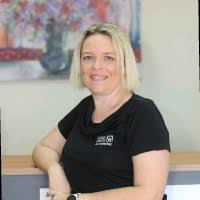
Article by
Stacey Jeanes
Stacey Jeanes, the owner and director of Cairns Quality Accounting, leads our Cairns Accountants team with over 20 years of industry experience. As a dedicated professional, Stacey brings advanced expertise in MYOB and Xero, ensuring clients receive efficient and accurate service. With a passion for helping others achieve their financial goals, Stacey tailors each solution to meet unique client needs.
In recognition of her remarkable community contributions, Stacey was honoured in 2024 with the Michelle Commins Legacy Award. This prestigious award acknowledges her extensive volunteer work with the Southside Comets Football Club, where she has served as Treasurer since 2018. Stacey’s commitment to her community mirrors the dedication she brings to Cairns Quality Accounting, as she strives to create positive outcomes both in business and beyond.
Disclaimer
“The information on this website is general in nature and is provided for information purposes only. It is not legal, financial or professional advice. You should obtain specific, independent advice relevant to your circumstances.”